


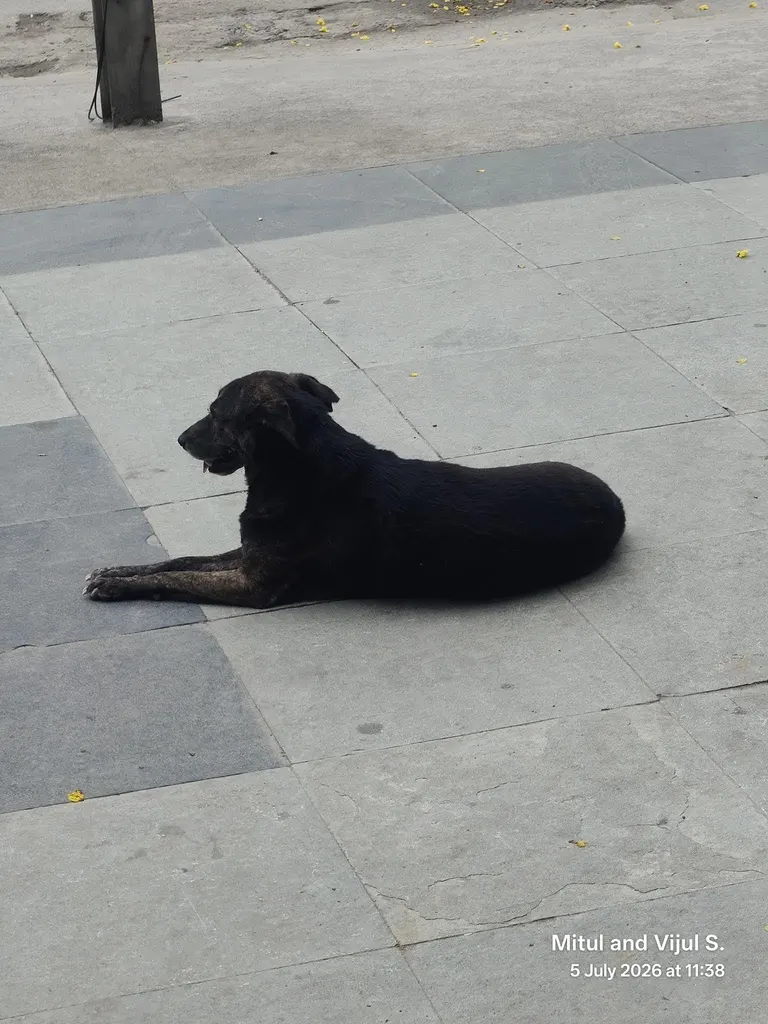
Hyderabad dog 378736079
- Locality
- Hyderabad (approximate observation), Hyderabad
- Registered
- Jul 2026
- Sightings
- 1
- ABC · ARV
- Not examinedNot examined
Recent records · CoimbatoreSep 2026
1,000 cases · 34 care
One shared record for every sighting, case and outcome.
Archived public profiles · 20 October 2026. Photo credits
From the first message to the city map.
A photo, a place and what you saw. One report gives the next person somewhere to start.
WhatsApp intake in pilot · Illustrative workflow
There’s a brown dog near the bus stand with a limp.8:42
Ganapathy · approximate area
Example only. Acceptance and care depend on participating teams. Report on the web.
Shivaji Colony, Coimbatore
Public animal discovery and community reporting are available without a subscription. Institutional programmes are scoped and priced separately; contact us for organisation access.
A report is checked before publication. Organisations can review and choose whether to accept it. Reporting does not guarantee rescue, treatment or a response time.
Apply for an organisation workspace. After verification, your team can review requests, assign cases, import records and record care and follow-ups.
WhatsApp intake is in pilot. Contact StrayPaw to discuss a pilot for your organisation. Setup and costs are agreed before it begins; web reporting is available now.
Send your city, programme, available records and goals through Request a Pilot. We agree scope, responsibilities, deliverables, duration and fees before work begins.